
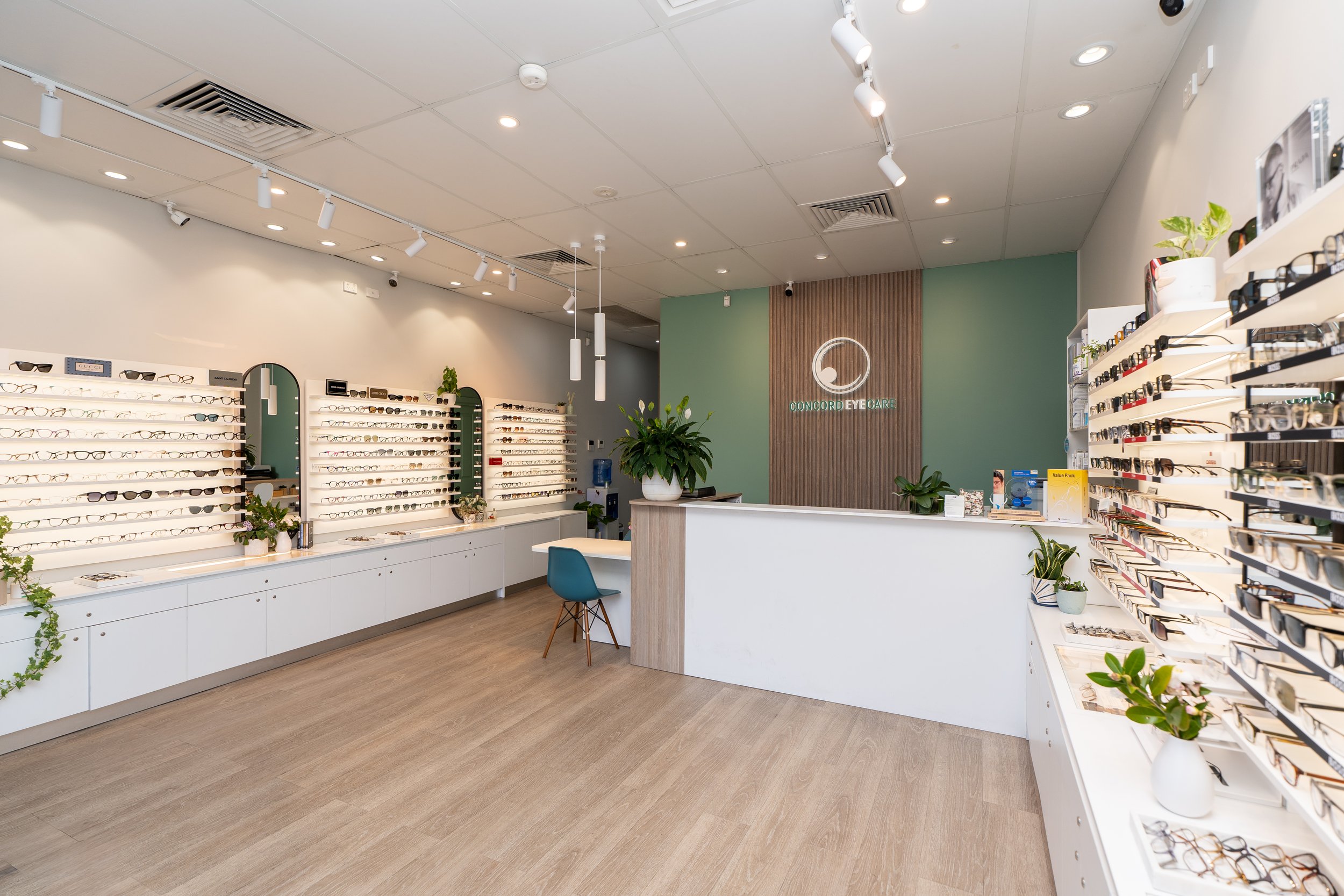
SYDNEY’S DEDICATED MYOPIA CONTROL CLINIC
Don’t just correct myopia, control it
Your child's short-sightedness doesn't have to get worse every year. We offer four evidence-based treatments — each matched to your child's age, prescription, and lifestyle. All pricing published. No surprises.
WHY ACT NOW
Myopia doesn't pause. Neither should you.
Childhood myopia progresses fastest between ages 6–16.
Without intervention, it can advance to high myopia — increasing the risk of retinal detachment, glaucoma, and macular degeneration. Around 27% of Australian children are now myopic, up from 15% in 2018. Starting myopia control early leads to significantly less progression.
Myopia Progression Estimator
Adjust the sliders to visualize how early, evidence-based intervention impacts your child's projected vision by age 16.
(Standard Glasses Only)
(Ortho-K / MiyoSmart / MiSight)
Clinical Disclaimer & Methodology: This tool provides an educational estimation, not a medical guarantee. Progression varies by genetics, ethnicity, and lifestyle.
- Untreated Baseline: Uses an age-dependent progression model (averaging -1.00D/year at age 7, slowing to -0.50D/year by age 12) aligned with global clinical data (MyKidsVision.org).
- Treated Efficacy (~60% Average): Illustrates a 60% reduction in progression, representing the clinical efficacy of premium optical interventions.
- Key References: Myopia Profile Age Norms; MiyoSmart DIMS (Lam et al., 2020); MiSight 1 day (Chamberlain et al., 2019); Orthokeratology (ROMIO study).
OUR FLAGSHIP TREATMENT
Ortho-K: Overnight lenses for clear vision and myopia control
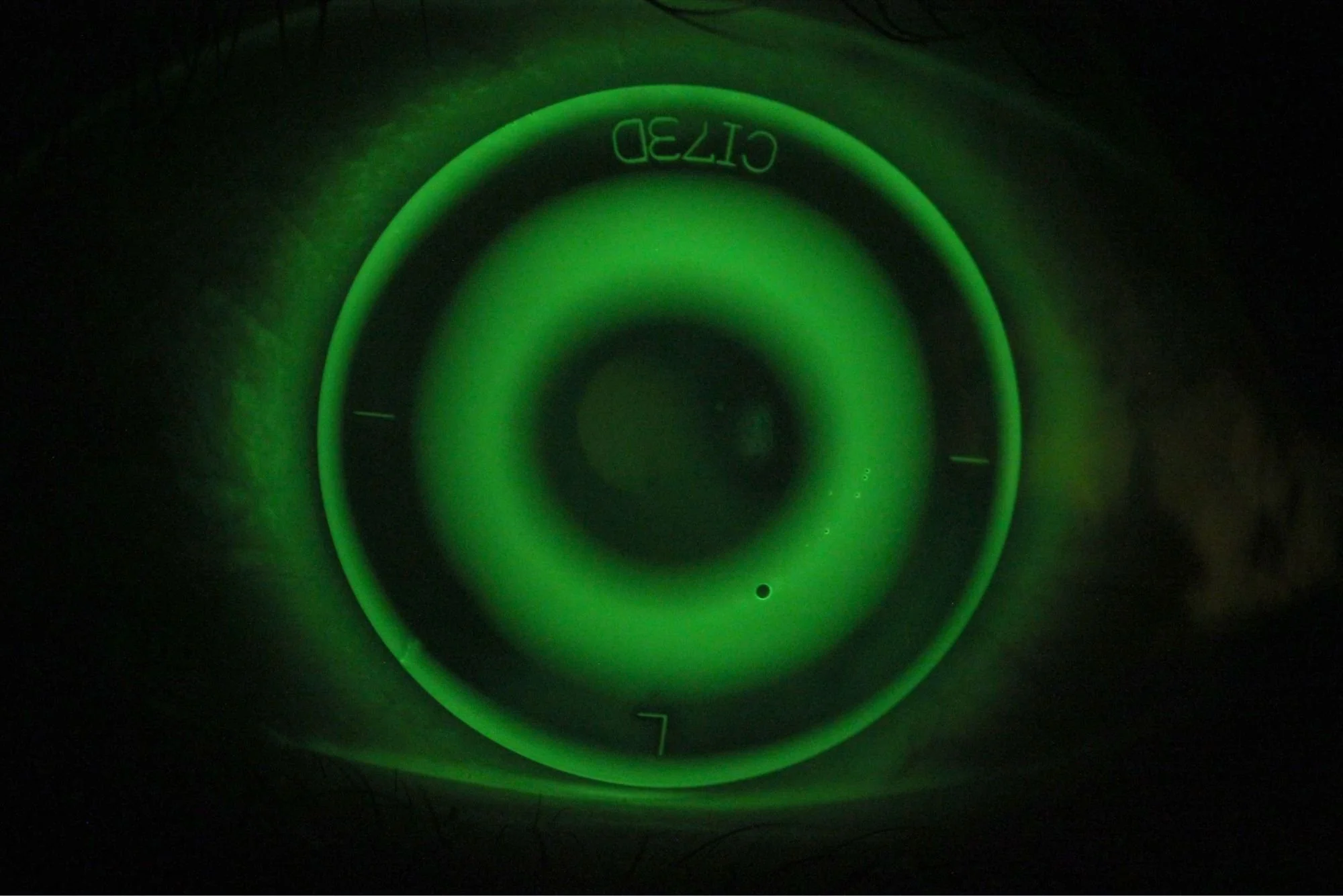
Orthokeratology (Ortho-K) uses custom-designed lenses that gently reshape the cornea overnight. Your child wakes up to clear, natural vision — no glasses, no daytime contacts, no surgery.
It's one of the most effective methods for slowing myopia progression, backed by over two decades of clinical evidence. Each lens is individually crafted using advanced 3D corneal mapping.
Up to 60% slower progression
One of the most clinically effective methods for slowing myopia in children.
No glasses during the day
Lens care at home under parent supervision. Nothing to manage at school.
800+ lenses personally fitted
One of the most experienced Ortho-K fitters in Sydney's Inner West.
Not sure which myopia treatment is right? We’ll help you decide.
or call (02) 8765 9600
ALL MYOPIA CONTROL OPTIONS
Every evidence-based myopia treatment, with published pricing.
We believe in pricing transparency. Every treatment cost is published upfront — no consultation needed just to find out what it costs.
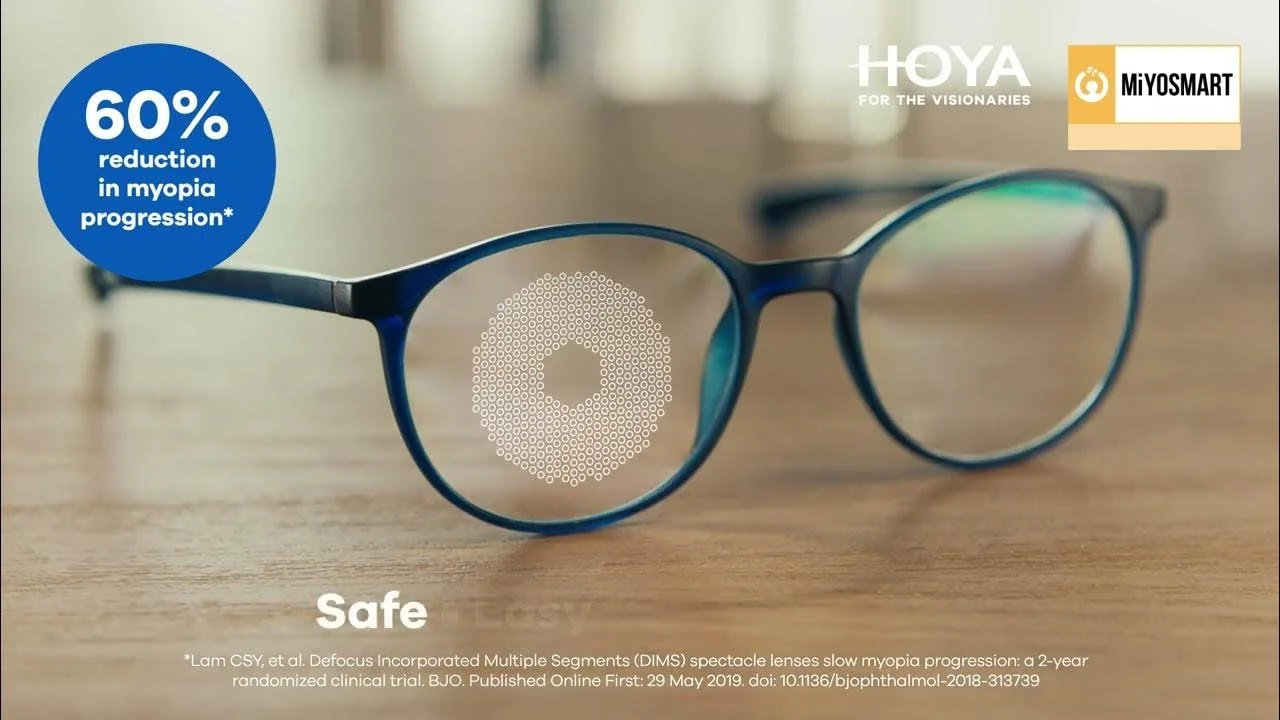
Myopia Control Glasses
MiyoSmart & Stellest lenses
Look and feel like regular glasses but use DIMS technology to slow eye growth by up to 60%. Simple, non-invasive, and ideal for younger children.
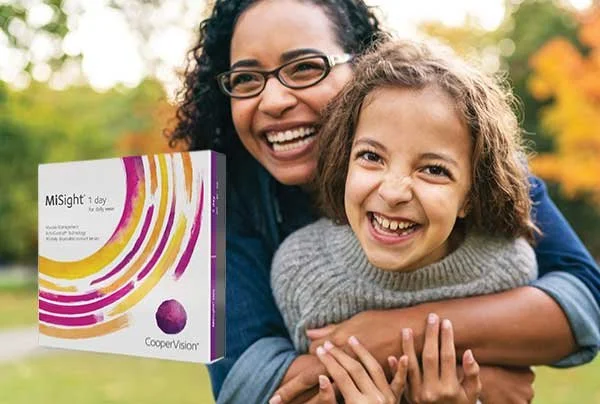
MiSight Contact Lenses
FDA-approved daily disposables
Clinically shown to slow myopia progression by 59%. Great for active kids who prefer freedom from glasses. Try before you commit.
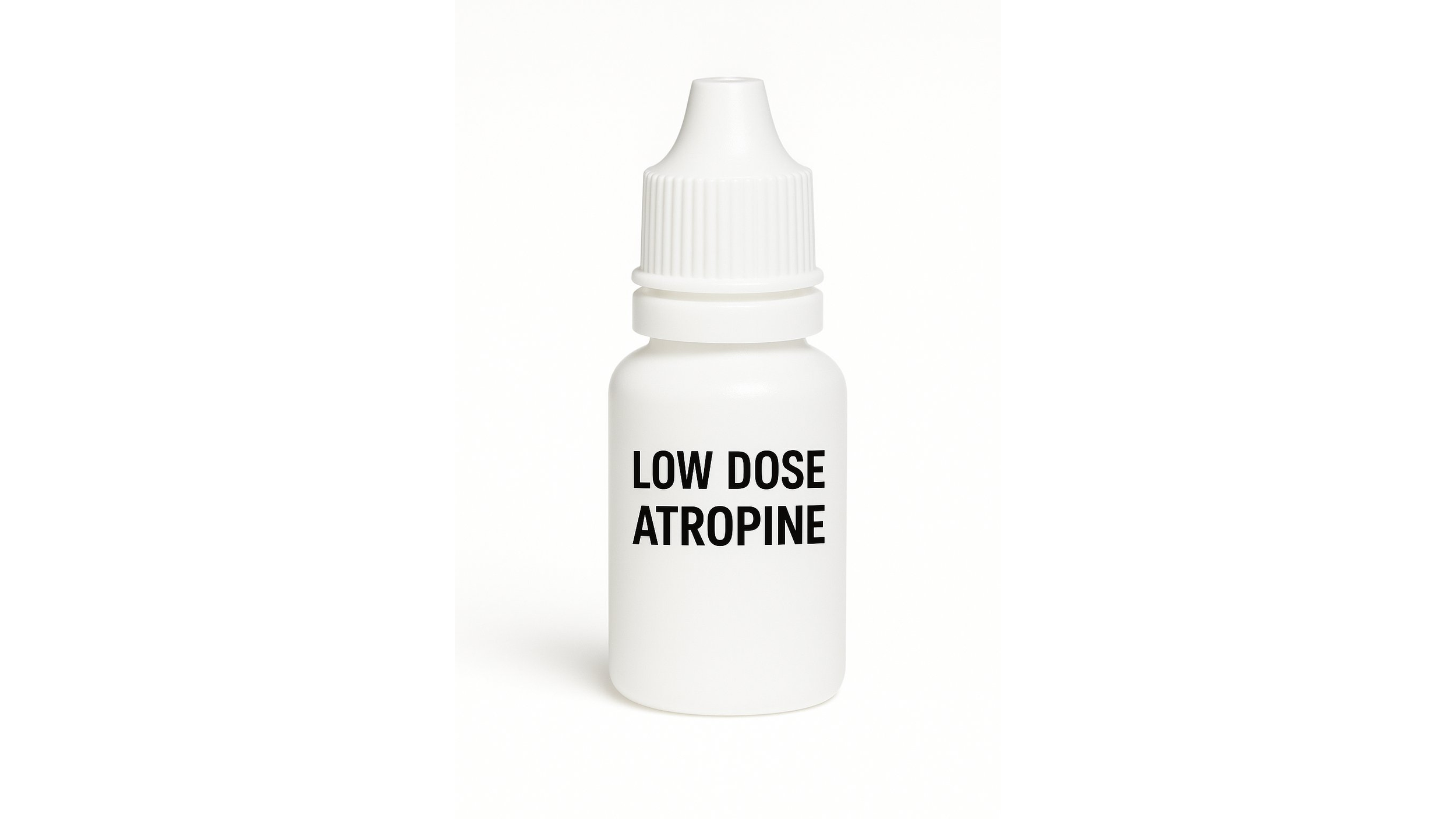
Low-Dose Atropine Eye Drops
Prescribed directly - no GP referral
Used alone as a frontline treatment or alongside Ortho-K or MiyoSmart for enhanced myopia control. Our optometrists are therapeutically endorsed to prescribe directly.
Myopia Treatment Matcher
Every child is different. Answer 4 quick questions to see which evidence-based treatment fits your child's lifestyle and temperament.
1. How old is your child?
2. Are they highly active in sports, dancing, or swimming?
3. Are they sensitive about having their eyes touched or using eye drops?
4. Are you worried they might lose, break, or forget daytime glasses/contacts?
HOW IT WORKS
From first visit to personalised treatment plan
A straightforward process backed by precision and care.
Myopia Assessment
Comprehensive exam including corneal topography and axial length measurement to track eye growth
Treatment recommendation
We match the right option to your child’s age, prescription, lifestyle, and myopia progression rate.
Fitting and training
Precise fitting and hands-on training so your child is comfortable and confident from day one.
Ongoing monitoring
Regular reviews track progression with 24/7 optometrist support throughout treatment.
Ready to take the first step?
or call (02) 8765 9600
Your Myopia Control Optometrist
Dr Mark Joung
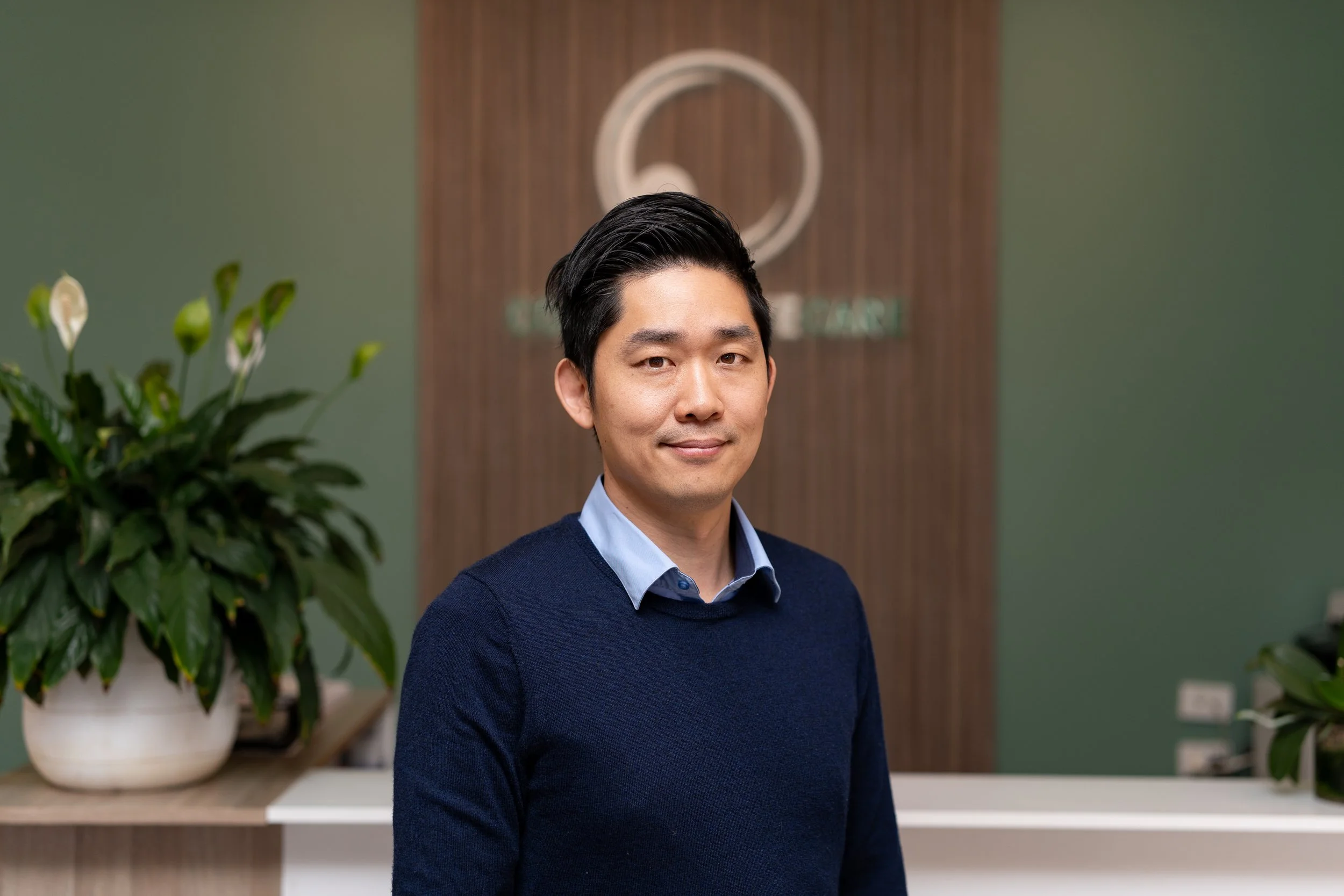
Mark was one of the first Australian optometrists to fit MiyoSmart lenses. With over 800 Ortho-K fittings and 20 years in practice, he delivers thorough, evidence-based myopia management that helps families take control with confidence.
He's therapeutically endorsed — meaning he can prescribe atropine and other ocular medications directly, without a GP referral.
SUCCESS STORIES
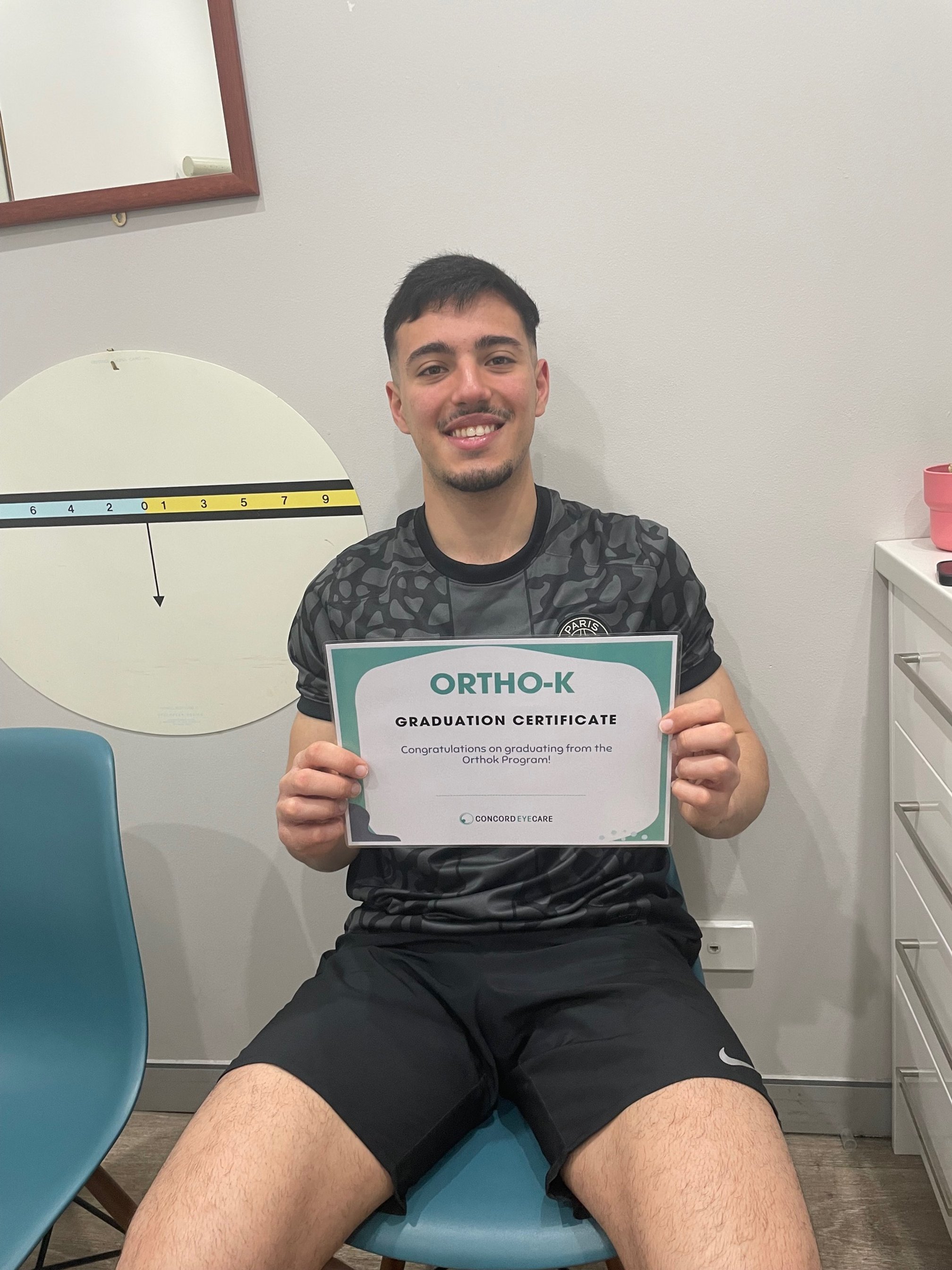
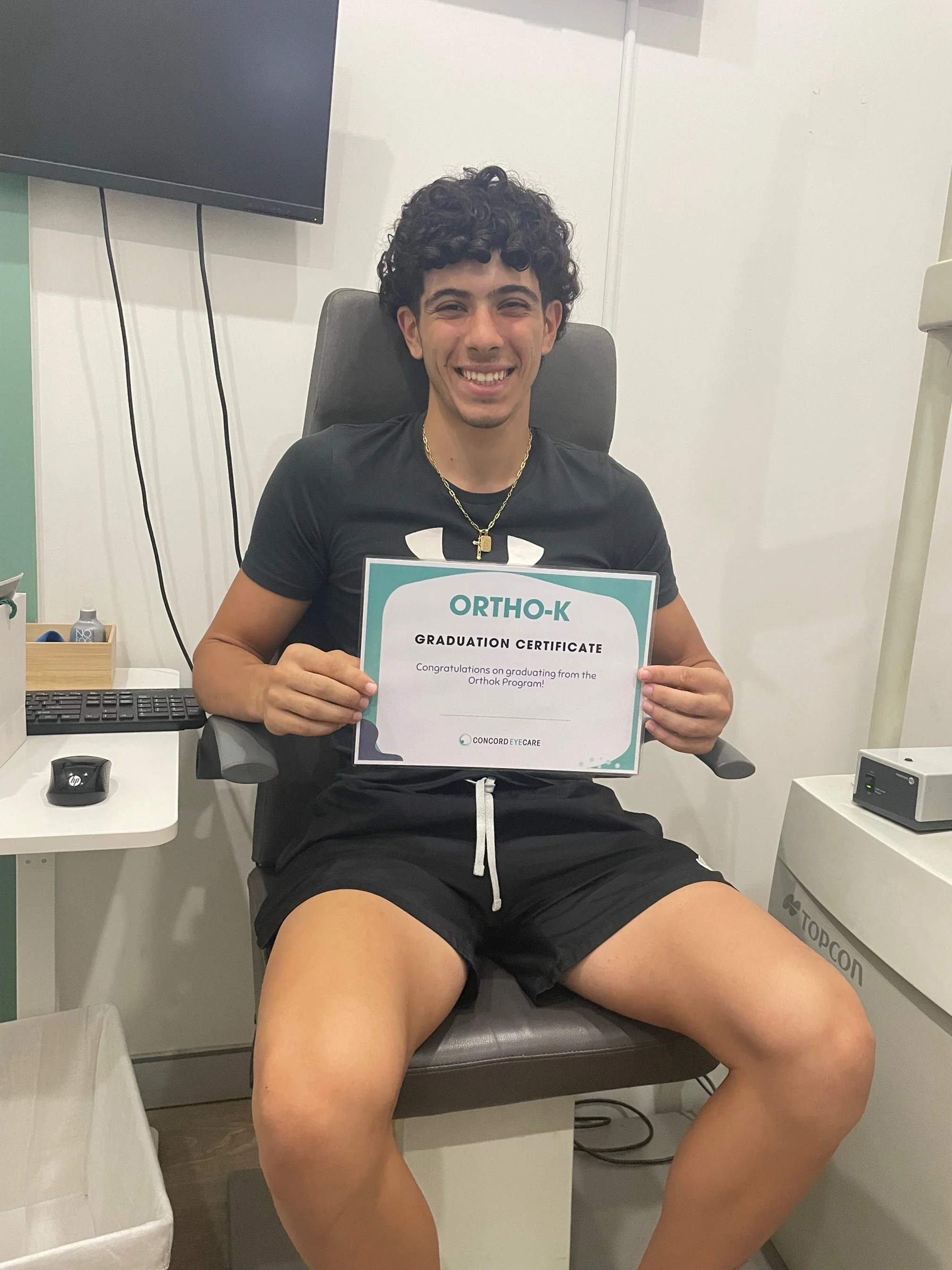
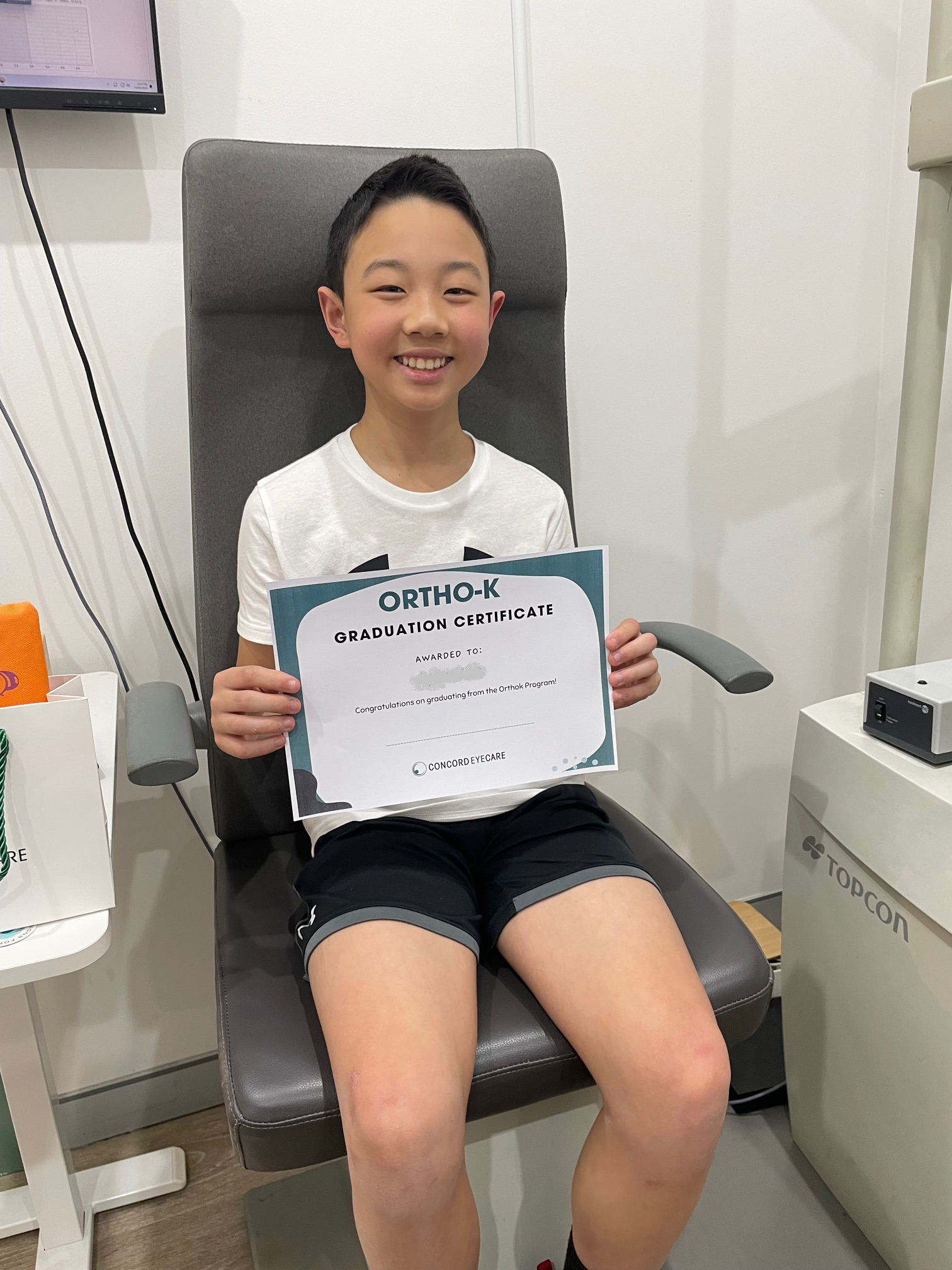
Our Recent Ortho-K Graduates
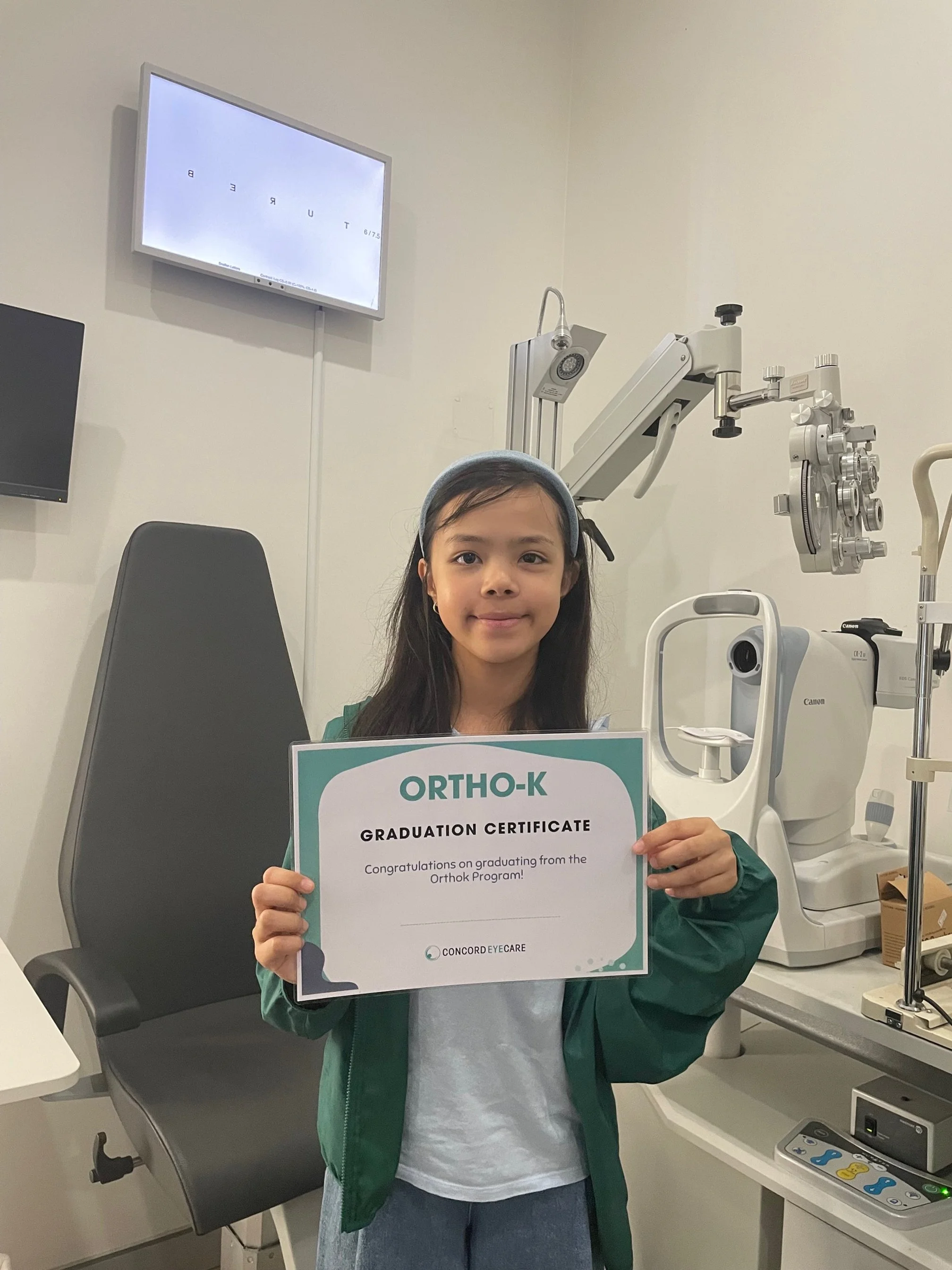
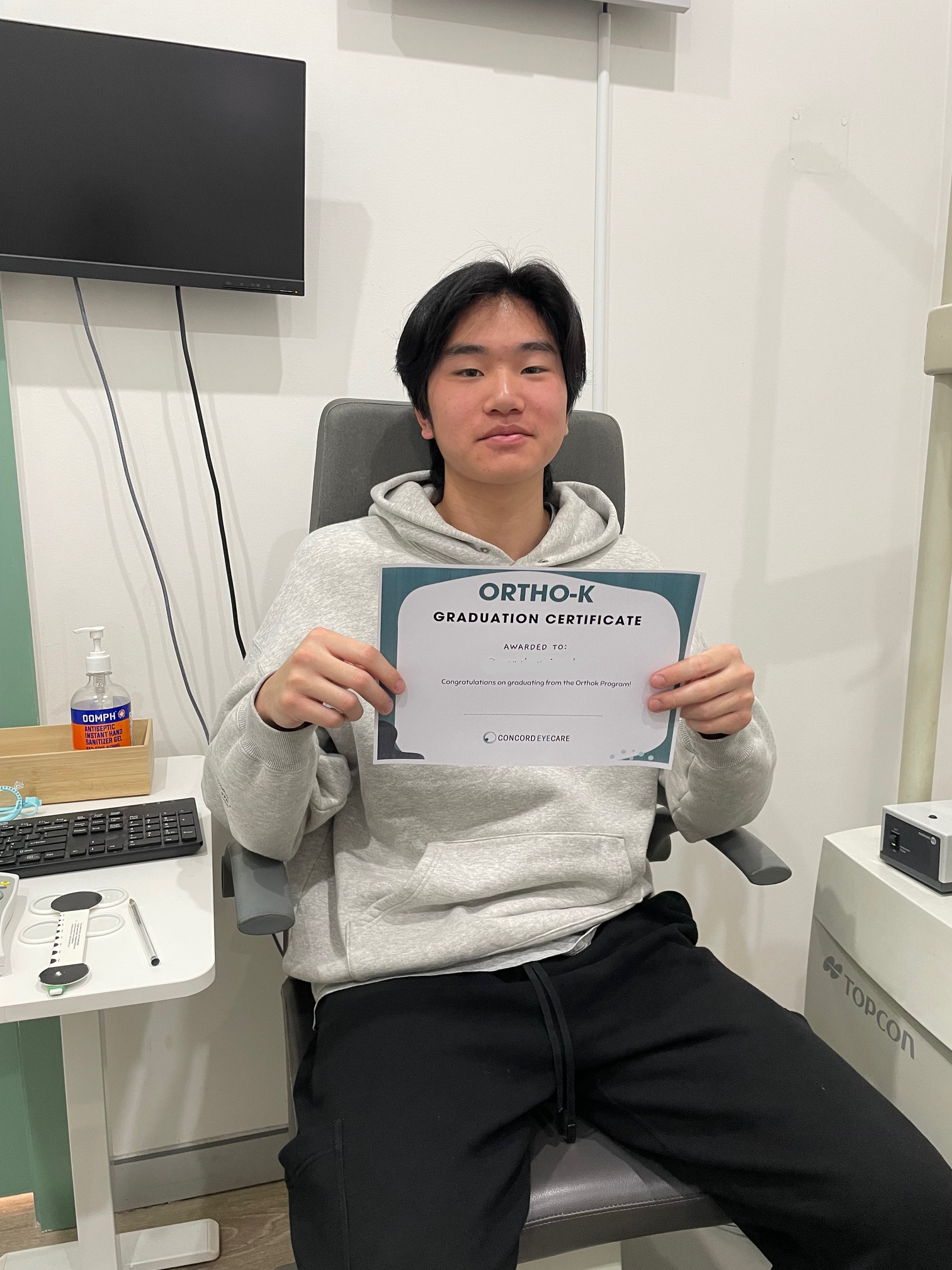
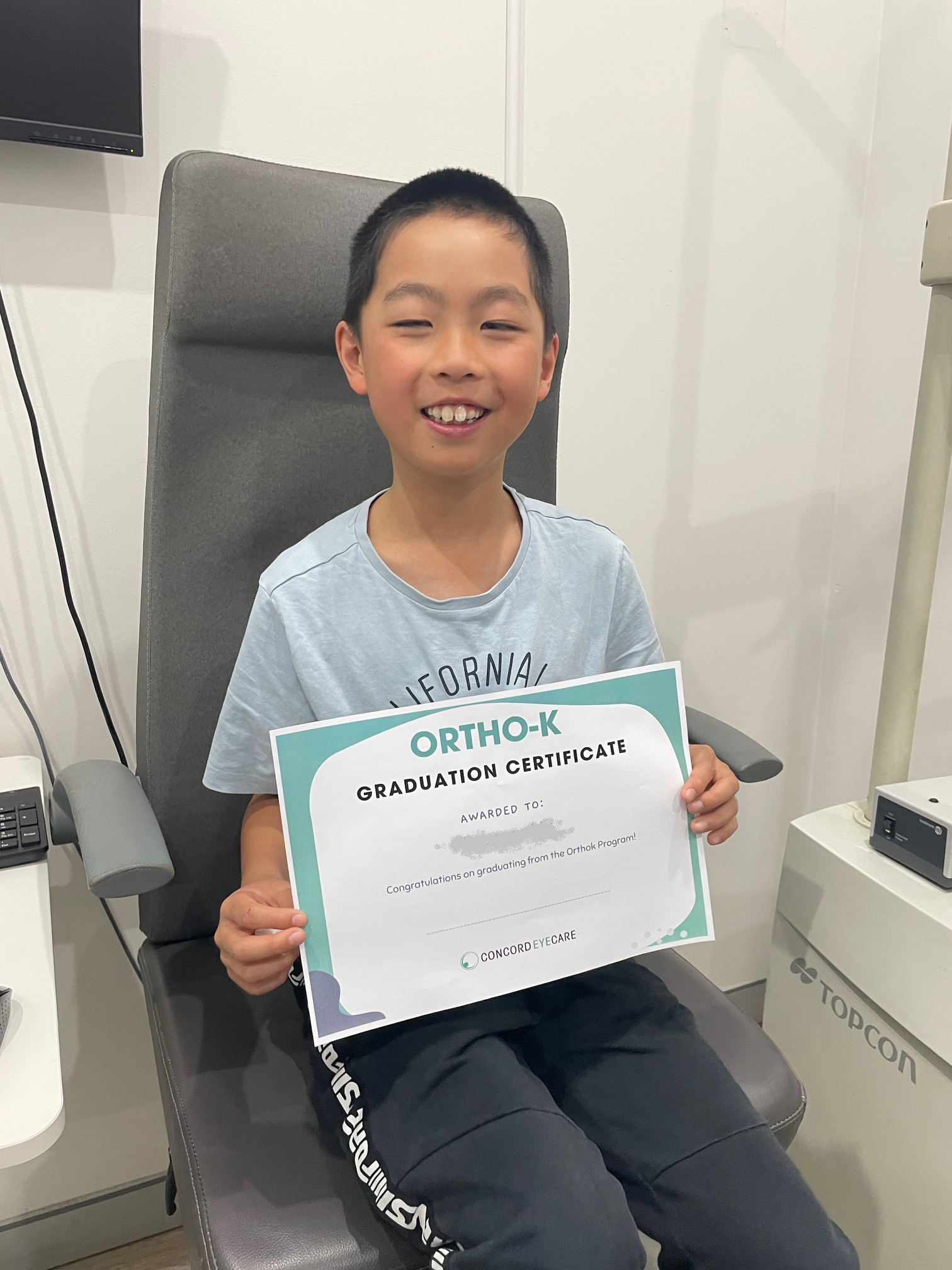
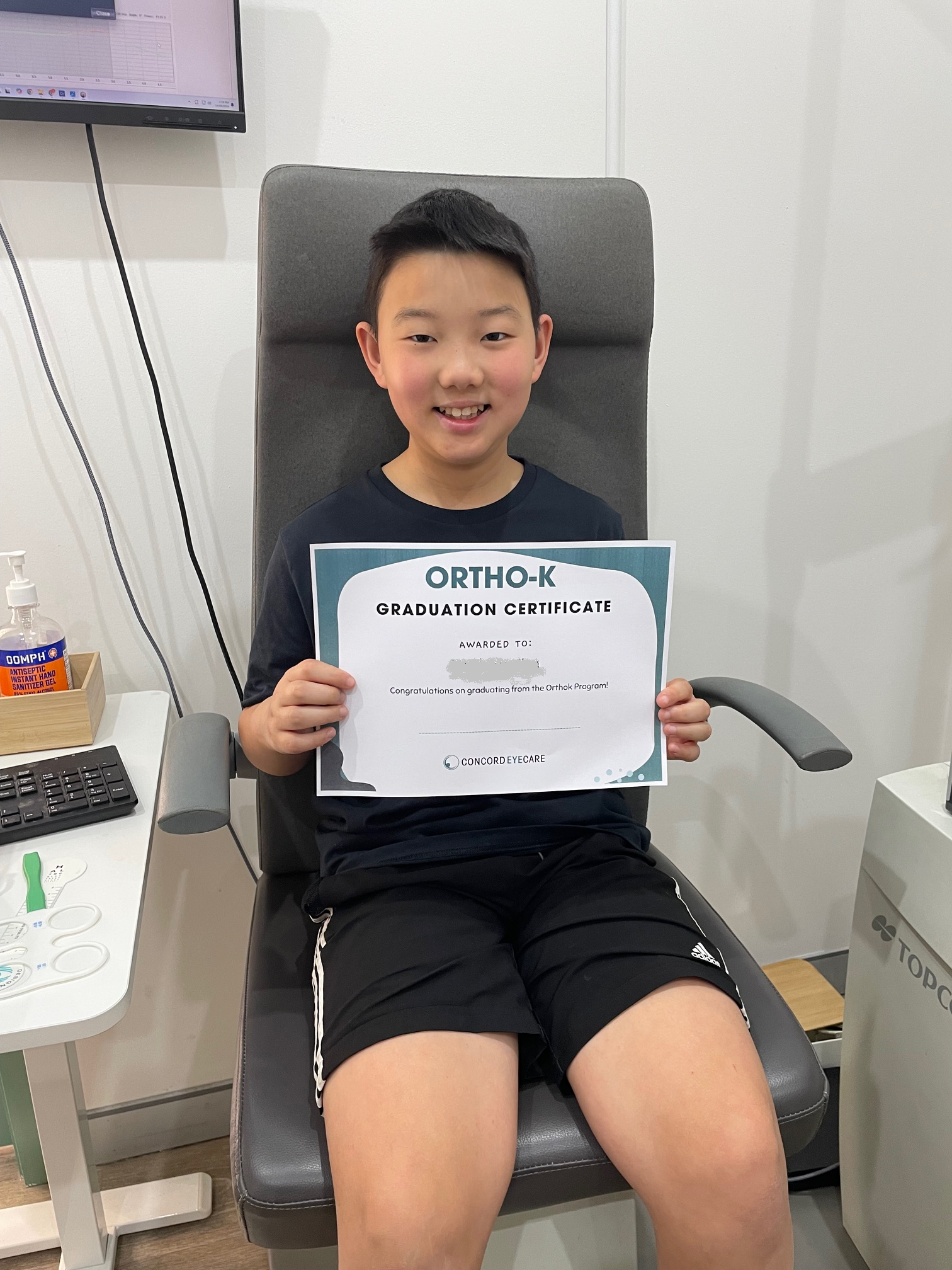
OUR TECHNOLOGY
Exceptional eye care begins with advanced technology
-
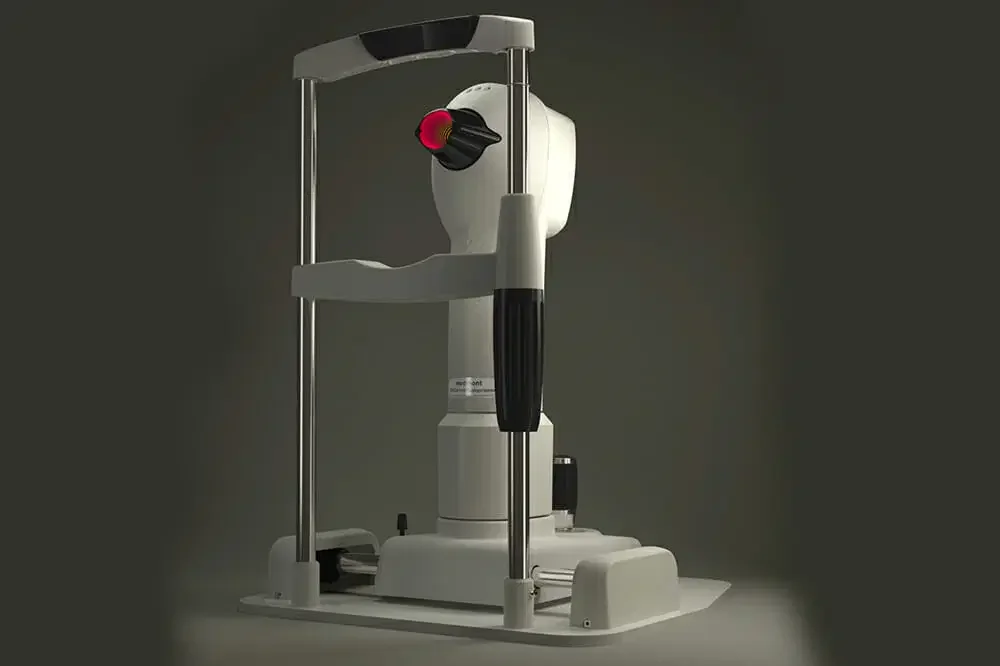
![Medmont E300 Corneal topographer]()
Corneal Topography
-
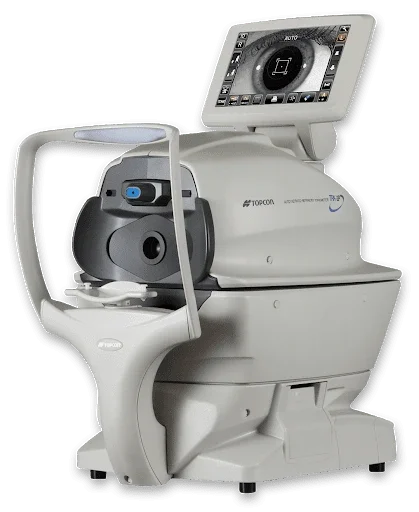
![Topcon TRK 2P]()
Computerised Eye Testing
-
![Zeiss OCT 4000]()
OCT 3D Scan
-
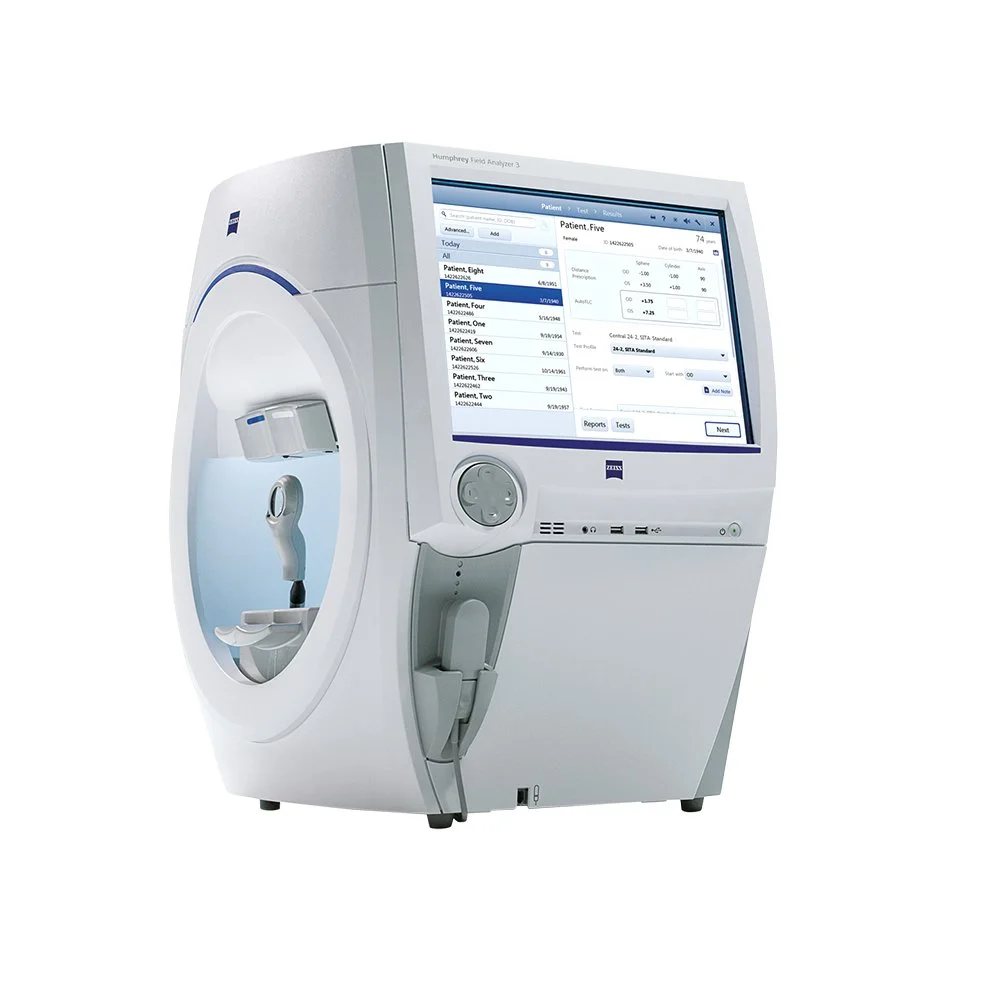
![Zeiss HFA3 Visual Field]()
Carl Zeiss HFA3 Visual Field Analyser
-
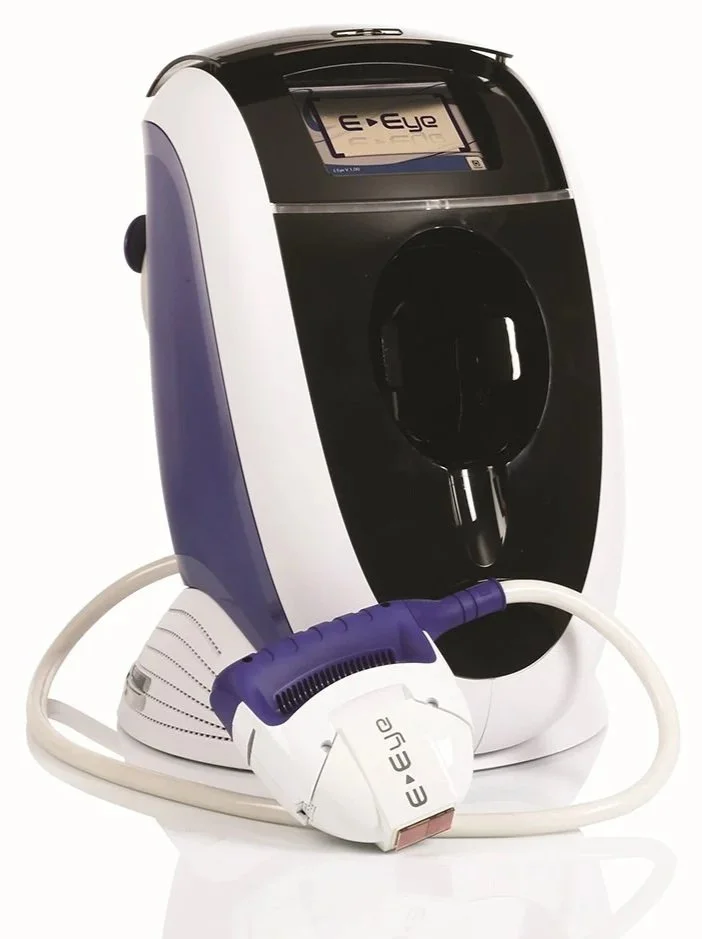
![E-Eye IPL machine for Dry eye treatment]()
E-Eye IPL Dry Eye Treatment

COMMON QUESTIONS ABOUT MYOPIA CONTROL
Everything parents ask us
No question is too simple. We’d rather you ask than wonder
How much does myopia control cost in Australia?
Ortho-K programs start from $1,600 for 24 months all-inclusive. MiyoSmart lenses from $600 plus frames. MiSight contacts $150 fitting plus $285 per quarter. Atropine consults are bulk billed with drops costing $40–55 per month at the pharmacy. We publish all our pricing — no hidden costs.
What age can my child start myopia control?
Most children can begin treatment from age 4 with MiyoSmart glasses or atropine drops. Ortho-K typically starts from age 6. MiSight contact lenses are approved for ages 8–12. The earlier myopia is identified and managed, the better the long-term outcome.
Is Ortho-K safe for children?
Yes. Ortho-K has been used safely worldwide for over 20 years and is fully reversible — stop wearing the lenses and your child's eyes return to their natural shape. The process happens under parental supervision at home, and we provide 24/7 support if you have any concerns.
Can myopia be reversed in children?
Myopia cannot be reversed, but its progression can be significantly slowed. Evidence-based treatments like Ortho-K, MiyoSmart, MiSight, and atropine can reduce progression by 50–60%. The goal is to limit how strong the prescription becomes, reducing the risk of serious eye disease in adulthood.
Does outdoor time help prevent myopia?
Research suggests children who spend more time outdoors have a lower risk of developing myopia. Current guidelines recommend at least 90 minutes of outdoor time per day. However, once myopia has developed, outdoor time alone won't slow its progression — clinical treatment is needed alongside healthy habits.
Is myopia hereditary?
Genetics plays a significant role. If one parent is myopic, the risk is roughly doubled. If both parents are myopic, the risk increases further. But environmental factors — especially screen time and reduced outdoor exposure — also contribute. A child with myopic parents benefits most from early monitoring and proactive treatment.
Is the initial assessment bulk billed?
Yes — the initial myopia assessment is bulk billed through Medicare for eligible patients. This includes a comprehensive eye examination. Any additional diagnostic tests like corneal topography or axial length measurements are explained before they're performed.
Can myopia treatments be combined?
Yes — combination therapy is increasingly common and supported by clinical evidence. Low-dose atropine is often paired with Ortho-K or MiyoSmart for enhanced myopia control, particularly in fast progressors. We tailor combination approaches to each child based on their response to initial treatment.
Ready to take control of your child's myopia?
Book a comprehensive myopia assessment with Dr Mark Joung. We'll measure your child's eye growth, assess progression risk, and create a personalised myopia management plan.